





Search Results for: European Curve
Coffee Tamper Buying Guide: Flat Base vs. Ripple Base Differences Explained and Recommendations for Beginners to Advanced Users
In the espresso extraction process, the tamper plays a pivotal role. Faced with the dazzling array of tampers on the market, from flat to ridged, from American curve to European curve, how exactly should one choose? This article has specially invited senior coffee roaster Huang Jijun to share the flavor differences presented by different tamping surfaces, and to provide practical purchasing advice for beginners and advanced players. At the same time, the article also compiles a number of classic tamper collections, combined with recommendations from Front Street Coffee, to help you find the one tamper that suits you best. [more…]
In-Depth Analysis of Ethiopia Limu Washed G2: Heirloom Flavor, Roast Curve, and Pour-Over Parameters in Practice
Limu is a low-key yet noteworthy presence among Ethiopia's eight major coffee regions. It is primarily washed-processed, with a milder flavor profile than Sidamo, often carrying citrus and grassy aromas. This article provides a complete overview of the regional background of Limu washed G2, the washed processing workflow, and the characteristics of the Heirloom native variety, along with the practical roast curve on a Yangjia 600g semi-direct-fire roaster and V60 pour-over parameters. From a charge temperature of 200°C to first crack at 8 minutes 33 seconds and drop at 194.6°C, every adjustment of gas and airflow is recorded. It is suitable for coffee enthusiasts who want to gain a deeper understanding of Ethiopia's lesser-known regions, and also offers a reusable approach for brewing Limu beans in daily practice. [more…]

Espresso Blend Coffee Bean Roast Level | Are Espresso Beans Suitable for Pour-Over Coffee? Espresso Blend Philosophy and Roast Curve Reference
For more specialty coffee knowledge, please follow: Front Street Coffee (Frontsteet Coffee). The roast level of coffee largely determines the flavor direction of the coffee. When we buy coffee, the label will indicate what roast level it is, such as light roast or dark roast—these are fine. [more…]
Front Street Yirgacheffe Flavor Analysis: Citrus Notes, Roast Profile, Processing Method, and Variety Traceability
Yirgacheffe is one of Ethiopia's most iconic specialty coffee regions, and thanks to a millennium of cultivation heritage and meticulous washed processing, it presents a captivating flavor profile woven with lemon, floral notes, and honey. Front Street Coffee's Yirgacheffe, under a light roast, displays a fresh and bright citrus acidity along with a smooth fruity sweetness, with rich layers whether in its dry or wet aroma. This article will systematically outline the core characteristics of this bean from the perspectives of flavor and mouthfeel, roasting curve, varietal origins, and regional composition, helping coffee enthusiasts gain a more comprehensive understanding of its unique charm. [more…]

The Flavor Code of Honduran Specialty Coffee Origins: A Complete Analysis of Sherry and Lychee Barrel-Fermented Beans
Driven by the third wave of coffee, barrel fermentation processing has become a highly anticipated innovative craft in recent years. Front Street Coffee's Honduras Sherry and Lychee Orchid barrel-fermented beans each impart unique wine aromas and layers to the coffee through whiskey barrels and brandy barrels, respectively. This article begins with the geography and varieties of Honduras's six major producing regions, outlines the development of its coffee industry and grading system, focuses on analyzing the principles of barrel fermentation and flavor differences, and provides a detailed record of the roasting curve comparison of Front Street's two beans, cupping performance, and flavor presentation in three brewing methods—V60, KONO, and Japanese-style iced pour-over—offering objective data references for coffee enthusiasts. [more…]
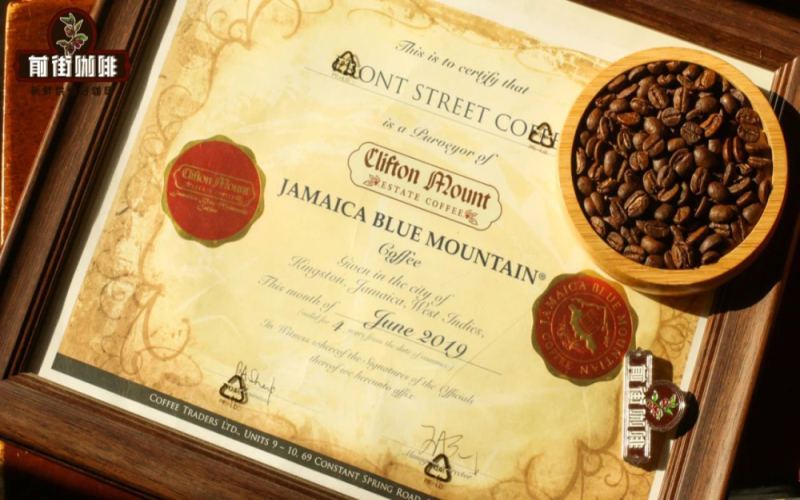
Why Jamaican Blue Mountain Coffee Remains Expensive, and an Analysis of Its Unique Flavor, Origins, and Grades
Blue Mountain coffee enjoys a stellar reputation in the global coffee world, and its price has always remained high. This article systematically examines the reasons why Jamaican Blue Mountain coffee is so precious from four dimensions: historical origins, producing region environment, grading system, and brewing methods. The article traces the path by which the Typica variety was introduced to Jamaica, explains how the climate and soil conditions of the Blue Mountains shape coffee quality, clarifies the essential differences among Blue Mountain coffee, Blue Mountain blend, and Blue Mountain flavor, and introduces the cultivation background of Clifton Mount Estate. Front Street Coffee also shares the roasting curve and pour-over parameters for Blue Mountain No. 1 for coffee enthusiasts' reference. [more…]

Panama Hacienda La Esmeralda Red Label Geisha: The Legendary Journey from a Windbreak to the 2025 BOP Champion
In the 2025 Panama BOP competition, Hacienda La Esmeralda's Geisha once again claimed victory with a record-breaking price of $30,204 per pound, bringing this legendary variety back into the spotlight. But few people know that this bean, which today is sought after by coffee lovers worldwide, was discarded as a low-yield windbreak more than twenty years ago in a remote high-altitude border region. This article, from the perspective of Front Street Coffee, provides a complete overview of the terroir origins of the Boquete production area, Geisha's journey from being overlooked to being enshrined, Hacienda La Esmeralda's family legacy and brand grading system, and includes a green bean analysis, roasting curve, and brewing parameters for Front Street Red Label Geisha, taking you deep into understanding what exactly lies behind this cup of coffee that is "expensive for good reason." [more…]
Ethiopian Yirgacheffe Red Cherry Green Bean Profile: Pricing, Grading, and Brewing Analysis of Washed and Natural Processing
Yirgacheffe is one of the highest-altitude specialty coffee regions in the world, and also the Ethiopian origin with the most distinctive flavor profile. This article focuses on Front Street Coffee's Yirgacheffe Red Cherry G1, covering everything from the region's terroir, the origins and investment behind the Red Cherry project, to the green bean appearance, cupping dry and wet aromas, and taste differences between the washed and natural processing methods, and further to the light roast curve and V60 brewing parameter adjustments, presenting a complete green bean profile of this coffee. Whether you want to understand the Yirgacheffe G1 grading standards, or want to know exactly how natural and washed Yirgacheffe differ in flavor, you will find the answers in this article. [more…]
A Comprehensive Analysis of Decaf Coffee: Swiss Water Process and Flavor Characteristics of Colombia Huila Region
For those who love coffee but are sensitive to caffeine, decaf coffee offers a solution that balances flavor and health. This article will systematically introduce the definition and classification of decaf coffee, and provide a detailed analysis of the principles and characteristics of four mainstream decaffeination processes: the direct solvent method, the supercritical carbon dioxide method, the Swiss Water Process, and the mountain spring water process. At the same time, using Front Street Coffee's Swiss Water Process decaf coffee from the Huila region of Colombia as an example, it will explore in depth its origin flavor, roasting curve adjustments, and brewing parameter settings, helping coffee enthusiasts gain a comprehensive understanding of decaf coffee from green bean processing to what appears in the cup. [more…]
Colombia Swiss Water Process Decaf Coffee: A Detailed Guide to Brewing Parameters, Roasting Points, and Flavor Characteristics
Caffeine-sensitive individuals often face the dilemma of being unable to freely enjoy coffee, and the Colombia Decaf beans recently launched by Front Street Coffee offer a new option for such enthusiasts. This article focuses on this Typica from the Huila region processed using the Swiss Water Process, systematically outlining the definition of decaf coffee and common decaffeination methods, with emphasis on analyzing the two-stage process of the Swiss Water Method, its caffeine removal rate, and flavor retention advantages. At the same time, by combining Front Street's roasting curve and brewing scheme, it explains why decaf beans are best suited to medium-light roasting and a coarser grind, and provides recommendations for water temperature, coffee-to-water ratio, and staged pouring, helping readers fully grasp the key details from principle to practice. [more…]
An Analysis of the Monsoon Malabar Coffee Bean Process: Processing Flow, Flavor Characteristics, and Roasting & Brewing Guide
Monsoon coffee is a unique monsooned coffee from southern India, born from the historical accident of sailing ships transporting beans in the 17th and 18th centuries. The green coffee beans were exposed to the southwest monsoon winds for months in open warehouses, expanding in size and decreasing in acidity, developing a distinctive flavor reminiscent of nuts, grains, and genmaicha tea. Front Street Coffee's cupping has found that coffee beans from Asian origins are generally known for their full body, and this monsoon bean stands out with a prominent herbal note on the palate and an excellent full body. This article will comprehensively trace the origin story of monsoon coffee, its five-step processing method, and the physical changes in the green beans, along with Front Street Coffee's roasting curve and brewing parameter recommendations, to give you a complete understanding of this golden, acid-free coffee from origin to cup. [more…]
An In-Depth Analysis of Natural Yirgacheffe Red Cherry Project G1: Flavor, Regional Background, and the Full Story of the Red Cherry Project
Yirgacheffe is a dazzling calling card of Ethiopian specialty coffee, and the sun-dried Red Cherry Project G1 pushes this fruity profile to the extreme. This article begins with the terroir of the producing region, then provides a complete overview of the Red Cherry Project's origins, operating mechanism, and quality requirements. It then focuses on Front Street Yirgacheffe Red Cherry G1, covering green bean analysis, roasting curves, and cupping records, and finally includes V60 pour-over parameter adjustments and flavor comparisons. Whether you are a beginner just getting into specialty coffee or an enthusiast wanting to understand the logic of sun-dried bean processing more deeply, you will gain a systematic understanding of this bean and practical brewing references from this article. [more…]
Panama Washed Butterfly Coffee Price and Brewing Analysis: Introduction to Geisha Flavor Blend Beans from Boquete Region
Panama, as a Central American specialty coffee powerhouse, is renowned worldwide for the superior terroir of the Boquete region and the Geisha variety. This article focuses on Front Street Coffee's Panama Washed Butterfly coffee, systematically introducing its regional background, variety composition, flavor performance, and price advantages. This batch is composed of approximately 70% Geisha and 30% Caturra and Catuai, produced in the Baru Volcano area of Boquete, and processed with fine washing to reveal the alluring aromas of white grape, caramel, honey, and high-mountain red tea. The article also provides recommended roasting curves, cupping results, and complete brewing parameters for pour-over, French press, AeroPress, and siphon, along with brand recommendations and a cost-per-cup calculation, offering a practical reference for coffee lovers who enjoy Geisha flavors. [more…]
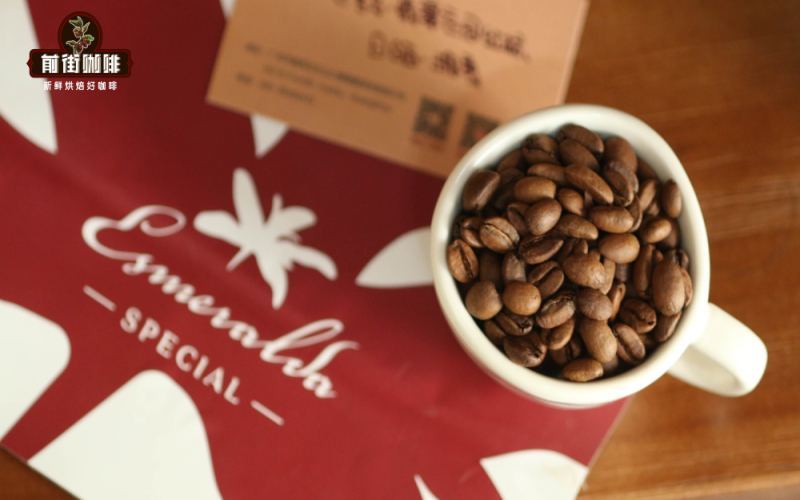
Panama Hacienda La Esmeralda Red Label Geisha: An In-Depth Look at the 2018 Auction Lot Yeast Processing Method
In the world of specialty coffee, Panama's Hacienda La Esmeralda Red Label Geisha has always been a focal point of great attention. In 2018, this competition lot debuted with a rare yeast anaerobic fermentation process, ultimately setting a high price of $340 per pound at auction. This article will take you deep into Hacienda La Esmeralda's producing region background, the discovery journey of the Geisha variety, the specific techniques of the yeast processing method, and the green bean characteristics, roasting, and brewing key points of this Red Label Geisha. Front Street Coffee also obtained a small amount of Red Label natural and yeast-processed lots this year, sharing them with coffee lovers at a relatively affordable price. [more…]
Ethiopian Yirgacheffe and Sidamo: A Complete Analysis of Natural and Washed Processing Methods, Flavor, Mouthfeel, and Regional Characteristics
Yirgacheffe and Sidamo are both representatives of Ethiopian specialty coffee, yet they present distinctly different flavor profiles due to differences in terroir and processing methods. This article systematically sorts out the core characteristics of the two major producing regions, from regional geography, historical origins, green bean grading, and processing techniques to roasting and brewing, and provides an in-depth analysis of the impact of natural and washed processing methods on coffee flavor. The article also introduces the operating mechanism of the Red Cherry Project, as well as the roasting and brewing parameters of Front Street Coffee's recommended Yirgacheffe Red Cherry G1, providing coffee enthusiasts with a complete framework for flavor understanding. [more…]
Yirgacheffe vs. Sidamo: A Comprehensive Comparison—An In-Depth Interpretation of Regional Terroir, Processing Methods, and Flavor Differences
Yirgacheffe and Sidamo both belong to Ethiopia's specialty coffee landscape, yet each has its own character due to differences in altitude, microclimate, and processing methods. This article systematically reviews the flavor characteristics and differences of the two regions, from their geography and historical origins, green bean grading, natural and washed processing techniques, roasting curves to brewing parameters, and takes an in-depth look at the full performance of Front Street Coffee Yirgacheffe Red Cherry G1 and Front Street Coffee Sidamo Shakiso, helping coffee lovers understand the causes behind citrus florals and fermented fruit-wine aromas. [more…]
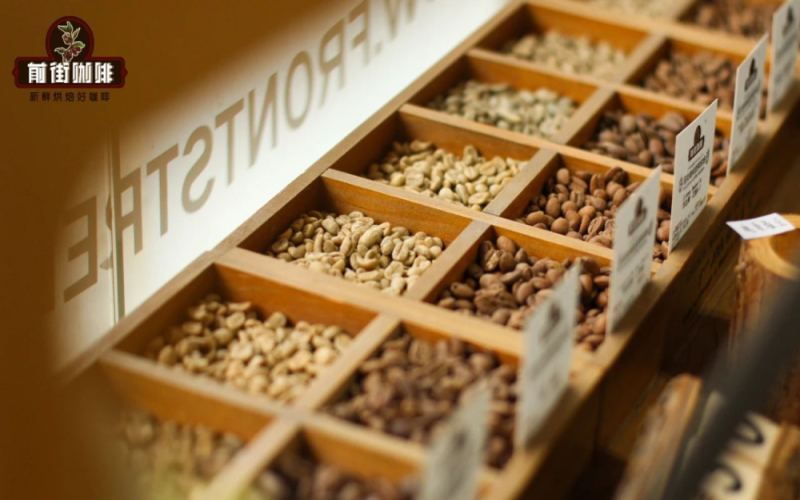
The Past and Present of Honduras Sweet Orange Estate Catuai Coffee Beans and a Pour-Over Flavor Analysis
Honduras, as a Central American coffee producer that has risen to prominence, is known for its coffee's floral and fruity aromas and soft juicy notes, along with exotic spicy hints and a rich, nutty-chocolate finish. This article starts with Honduras's geographical conditions and coffee development history, systematically outlining its altitude classification and defect grading standards, detailing the flavor characteristics of its six major producing regions, and highlighting the Catuai coffee beans from the Sweet Orange Estate in the La Paz region. Front Street Coffee will share this bean's roasting curve, cupping performance, and pour-over parameters, providing coffee enthusiasts with a complete brewing reference. [more…]
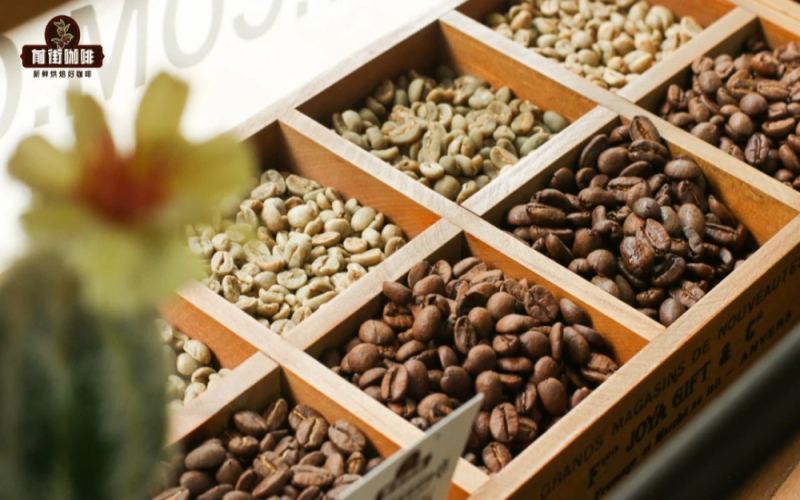
A Detailed Guide to Ethiopian Coffee Bean Grading: From Regional Cultivation to the Differences Between Yirgacheffe G1 and G3
Ethiopia is the birthplace of Arabica coffee and one of the most prominent producing countries in the specialty coffee world. Regions such as Yirgacheffe, Sidamo, and Harar each have their own distinctive characteristics, while grade designations like G1, G2, and G3 are key information that is impossible to avoid when buying Ethiopian beans. From the perspective of Front Street Coffee, this article systematically sorts through Ethiopia's coffee cultivation models, native varieties, the two processing methods of natural and washed, the flavor profiles of nine major producing regions, and the ECX-led grading system. The article will also focus on analyzing the actual differences between Yirgacheffe G1 and G3 in defect rate, bean appearance, and cupping performance, and will include the roasting curve and V60 brewing parameters for Front Street Coffee's Huakui natural beans, helping readers comprehensively understand the quality logic of Ethiopian coffee. [more…]
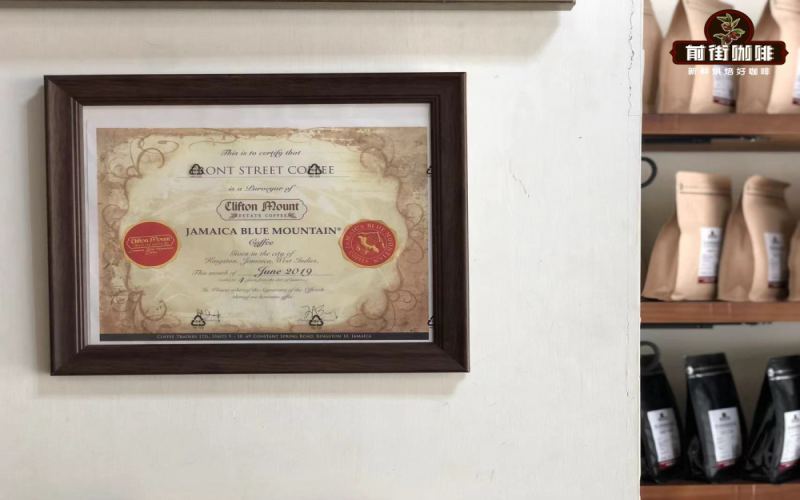
Why is Jamaican Blue Mountain Coffee shipped exclusively in wooden barrels? A full analysis of Clifton Estate and Front Street Blue Mountain No. 1
Blue Mountain coffee is widely recognized as one of the coffees grown under the finest conditions in the world, with Jamaica's unique climate, geology, and topography combining to create its exceptional quality. Why is Blue Mountain coffee, alone among all green coffees, shipped in wooden barrels? There are both historical origins and practical considerations behind this. This article will guide you through the terroir of Blue Mountain coffee's origin, the historical shifts in Japan's quota, the management system of the Jamaica Coffee Board, and the Clifton Farm Blue Mountain No. 1 coffee beans imported by Front Street Coffee—presenting this classic coffee in full, from processing method and roasting curve to brewing recommendations. [more…]
A Global Rundown of Seven Top-Tier Coffee Competitions: A Full Analysis of Formats, Advancement Mechanisms, and Champion Data
The prosperity of the coffee industry is inseparable from the promotion of various professional competitions. These competitions not only promote coffee culture but also make the profession of barista more standardized and professional. Every year, many contestants from different countries around the world participate in the competition. Among them, the seven most influential world-class competitions cover multiple fields such as barista, brewing, latte art, roasting, cupping, coffee and spirits, and Turkish coffee. This article will introduce the positioning and competition systems of these events one by one, and focus on sorting out the development history, advancement rules, and past champion data of the World Barista Championship (WBC), helping coffee enthusiasts fully understand the landscape and charm of international coffee competition. [more…]